From 1 July 2027, one of the most significant changes to the Australian Consumer Law (ACL) in many years will take effect.
The new prohibition on unfair trading practices will require businesses to look well beyond whether their advertising is technically accurate. Instead, regulators will assess whether the overall customer experience is fair.
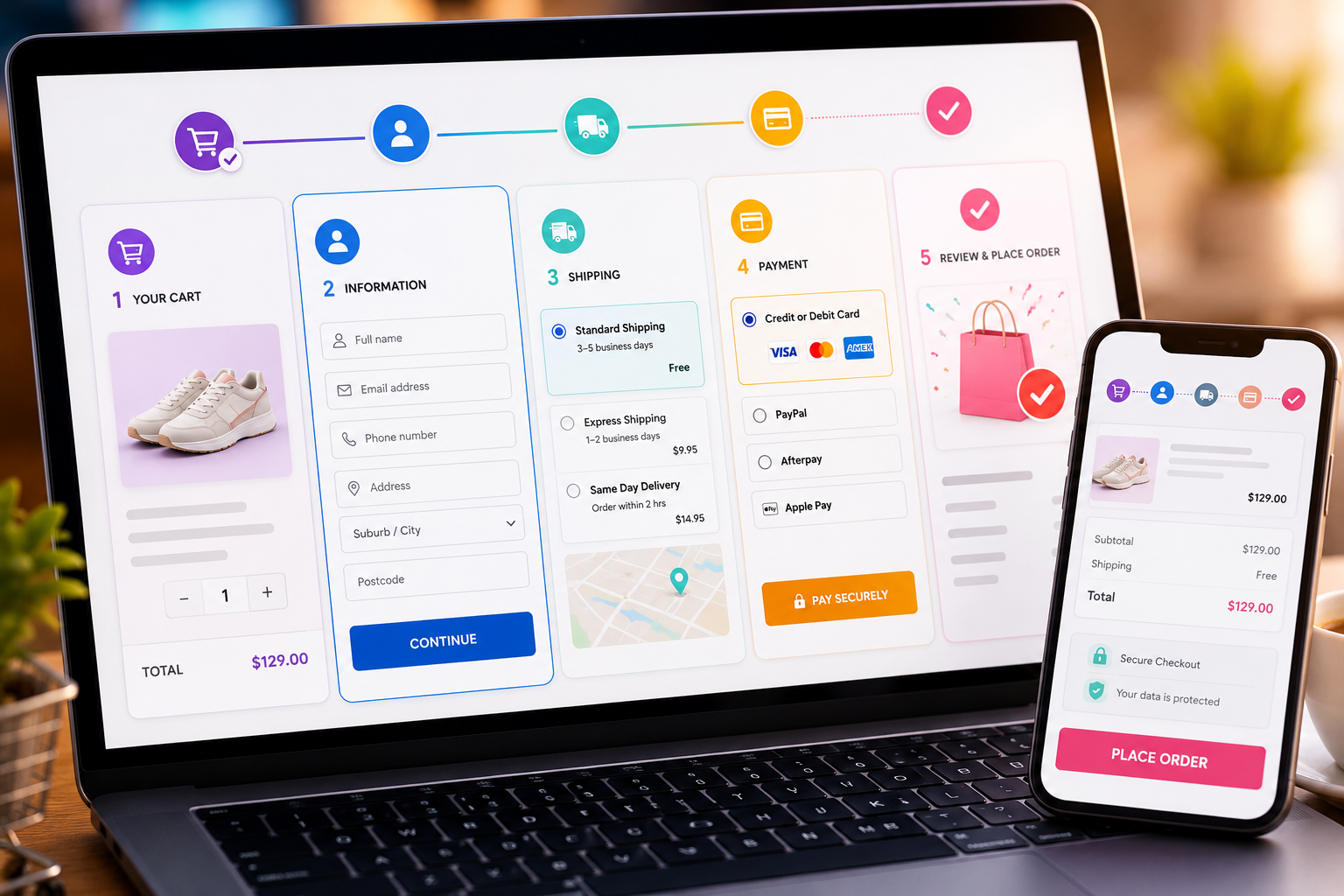
For retailers, ecommerce businesses and service providers, this means reviewing every stage of the customer journey -from the first advertisement through to website design, checkout, customer service, refunds and cancellations.
Businesses that start preparing now will be in a much stronger position when the reforms commence.
Why has the law changed?
The ACL already prohibits misleading or deceptive conduct, false representations, unconscionable conduct and unfair contract terms. However, regulators have become increasingly concerned that some business practices can unfairly influence consumer behaviour without necessarily breaching those existing provisions.
Many of these practices arise through digital design, customer journey optimisation and behavioural marketing techniques. While they may not involve false statements, they can still manipulate consumers, create unnecessary pressure or make it difficult for consumers to exercise their rights. The new prohibition is intended to address these types of practices.
What conduct will be prohibited?
Broadly, the prohibition applies where conduct:
• manipulates consumers; or
• unreasonably distorts the environment in which consumers make decisions,
and
• causes, or is likely to cause, consumer detriment.
Unlike existing misleading conduct provisions, the focus is not simply on whether a consumer was deceived. Instead, regulators will consider whether the overall purchasing experience is fair.
What is 'manipulation'?
Manipulation involves conduct that wrongfully interferes with a consumer's ability to make their own decisions. This may include practices that exploit behavioural biases through false urgency, hidden information, unnecessary pressure or other design techniques intended to influence purchasing decisions.
Legitimate marketing and persuasion remain acceptable. The issue is where those techniques cross the line into unfairly influencing consumer behaviour.
A useful question for businesses is:
Is this feature helping consumers make an informed decision, or is it primarily designed to increase the likelihood of a purchase?
What does 'distorting the decision-making environment' mean?
This concept is broader than many businesses realise. It captures conduct that encourages consumers to enter transactions they otherwise would not have entered into, or makes it harder for consumers to implement decisions they are entitled to make.
This could include making it unnecessarily difficult to:
-
cancel a subscription
-
request a refund
-
make a complaint
-
exercise consumer guarantee rights
-
access important information before purchasing.
Examples of higher-risk practices include:
-
hiding important qualifications
-
overwhelming consumers with excessive or confusing information
-
using defaults or menus that steer consumers towards the business's preferred outcome
-
creating unnecessary friction when consumers try to cancel or obtain support.
Dark patterns will be a major compliance focus
The ACCC has repeatedly identified dark patterns as an enforcement priority.
Dark patterns are website or app design techniques that encourage consumers to make decisions they did not intend to make or do not fully understand.
A single design feature may not present a problem. However, several seemingly minor practices operating together may create significant compliance risk.
Businesses should carefully review features such as:
-
countdown timers
-
scarcity or low-stock messages
-
pre-selected optional extras
-
buried qualifications or disclosures
-
confirm shaming
-
difficult cancellation processes
-
repeated prompts or pop-ups that pressure consumers to continue.
Consumer detriment is broader than financial loss
One of the most important aspects of the reforms is that consumer detriment is not limited to financial loss.
Detriment may also include:
-
wasted time
-
frustration
-
inconvenience
-
making purchases that otherwise would not have been made
-
abandoning attempts to exercise legal rights because the process is too difficult.
Importantly, regulators do not necessarily need to prove that actual detriment occurred. It is enough if the conduct is likely to cause consumer detriment.
Review your customer journey
The most effective way to prepare is to walk through your business exactly as a customer would. Start with your first advertisement and continue through every interaction until well after the sale has been completed. Review each point where consumers make -or seek to implement - a decision.
(Download our checklist below to assist you in this process).
This should include:
Before purchase
-
advertising
-
promotional claims
-
urgency and scarcity messaging
-
pop-ups
-
disclosures
-
website navigation
-
pre-selected options
During purchase
-
pricing transparency
-
checkout design
-
optional extras
-
payment flows
-
delivery information
After purchase
-
refunds
-
returns
-
complaints
-
customer support
-
warranty processes
-
subscription cancellations.
This review should involve more than just the Legal team.
Marketing, Ecommerce, Product, UX, Customer Service and Digital teams all influence the customer experience and should be involved in preparing for these reforms.
Existing ACL obligations still apply
The new prohibition does not replace the existing provisions of the Australian Consumer Law. Businesses must still comply with requirements relating to:
-
misleading or deceptive conduct
-
false or misleading representations
-
unconscionable conduct
-
unfair contract terms
-
consumer guarantees
-
pricing and promotional requirements.
Compliance with one part of the ACL does not necessarily mean compliance with another.
Practical steps businesses should take now
Well before 1 July 2027, businesses should:
✔ Review the entire customer journey rather than assessing individual webpages in isolation.
✔ Involve Legal, Marketing, Ecommerce, Product, UX and Customer Service teams in the review process.
✔ Identify any features that could manipulate consumers or create unnecessary pressure.
✔ Review urgency, scarcity and promotional claims and retain evidence supporting those claims.
✔ Ensure important information is prominent, clear and easy to understand.
✔ Review default settings, optional extras and checkout flows to ensure consumers are making genuine choices.
✔ Make refunds, complaints, cancellations and the exercise of consumer guarantee rights straightforward and accessible.
✔ Build the new requirements into campaign approvals, website changes and staff training before the reforms commence.
As part of your review, ask:
-
Could customers easily understand every important part of our offer?
-
Are we helping customers make informed decisions?
-
Are we creating unnecessary urgency or pressure?
-
Could customers easily cancel, complain or exercise their legal rights?
-
Would we be comfortable explaining every step of this customer experience to the ACCC?
(Download our checklist below to assist you in this process).
Final thoughts
These reforms are not intended to prevent businesses from marketing their products or competing vigorously.
They are intended to ensure consumers can make purchasing decisions freely, fairly and without unnecessary pressure.
Businesses that begin reviewing their customer experience now will be significantly better placed when the new unfair trading prohibition commences on 1 July 2027.
Need help preparing for the new unfair trading laws?
Watchdog Compliance helps retailers, suppliers, marketplaces and ecommerce businesses prepare for the new unfair trading prohibition by reviewing customer journeys, websites, apps, digital marketing, pricing, checkout processes, subscription flows and customer support experiences.
Our reviews identify practical compliance risks, provide prioritised recommendations and help businesses implement changes before the new laws commence.
Book a Watchdog Customer Journey Compliance Review and receive practical, commercially focused recommendations to help your business prepare for the new unfair trading prohibition.