
Australia / Product safety / Christmas range
All that glitters: the Christmas stock checks retailers can't afford to skip
From flashing decorations to festive bedding, discover the product risks worth checking before your Christmas range reaches the shelves.
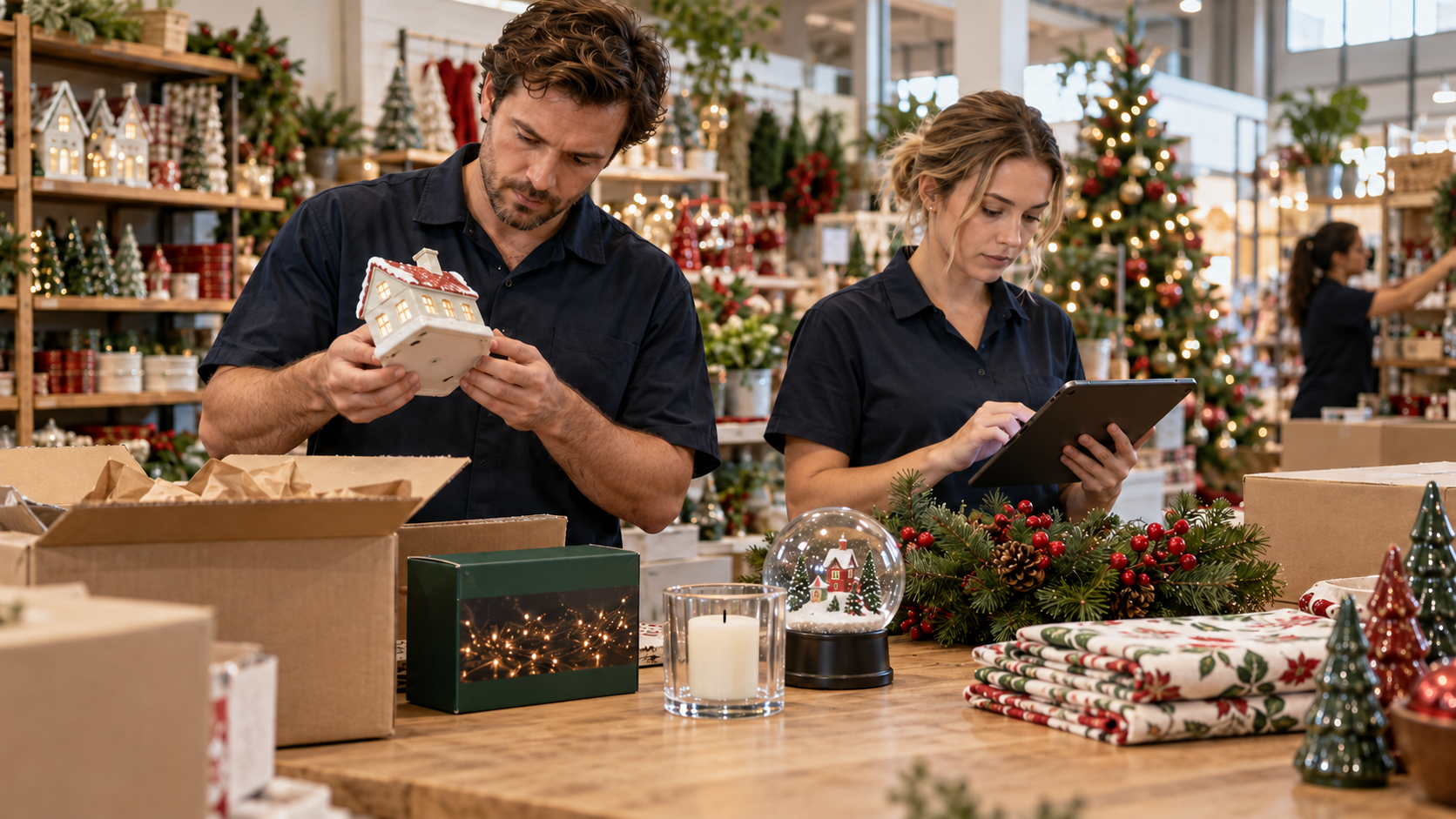
The cartons are arriving. The displays are taking shape. The countdown to Christmas has begun.
Before the first bauble reaches the shelf, there is another list worth checking: the products that could turn a promising Christmas range into a safety incident, a stop-sale or a recall.
A flashing necklace. A candle wreath. A festive pillowcase. None looks especially complicated. Yet products like these have featured in Australian safety recalls over recent years.
Is your Christmas range ready to sell - or just ready to display?
Recall notices identify product problems, but do not always explain how those problems were missed. The checks below turn those lessons into practical questions for your buying, quality and store teams.
01 / Light-up decorations
A little sparkle. A serious battery risk.
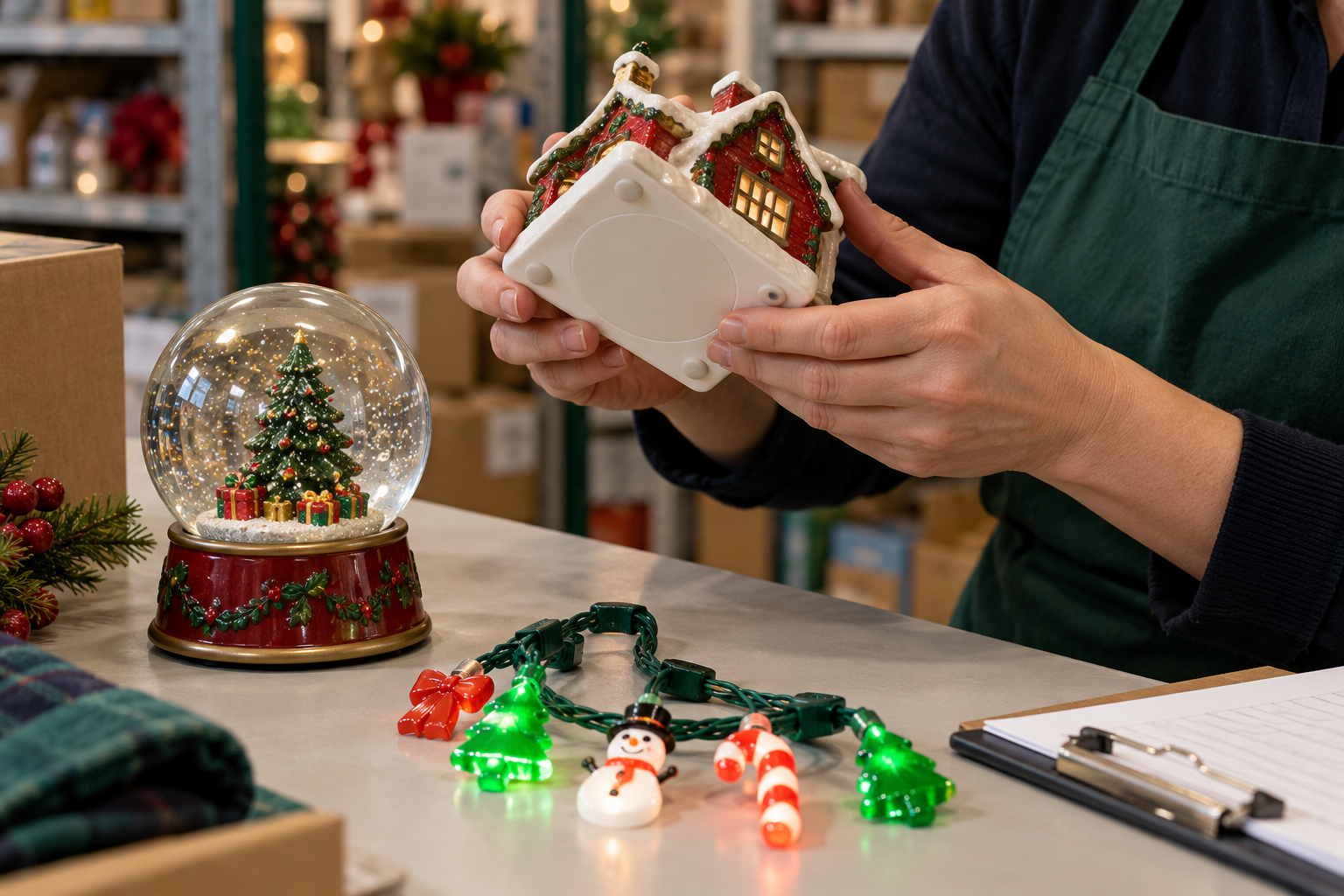
The battery may be hidden in a necklace, snow globe, ornament or remote control. Make sure it is visible in your compliance review.
Button battery problems have appeared repeatedly in Christmas recalls. An October 2022 recall covered 21 descriptions of festive novelty products with inadequately secured battery compartments. In December 2024, Christmas snow globes were recalled for accessible batteries and missing warnings. 2022 recall; 2024 recall.
Warnings deserve their own check. Christmas light-up candles were also recalled in December 2024 because required button battery warning information was missing. That notice did not identify an insecure compartment as the reason for the recall. Official recall.
Before it hits the shelf
- Identify button and coin batteries across the whole range, including accessories.
- Match compliance testing to the exact product and battery compartment.
- Check required warnings on the product, packaging and instructions, as applicable.
A low selling price does not mean low consequences. In August 2026, the Full Federal Court upheld City Beach's $14 million penalty for supplying non-compliant button battery products. The case was broader than Christmas stock, but the lesson applies to seasonal ranges too. ACCC enforcement outcome.
02 / Candles & wreaths
The centrepiece needs a safety check, too.
Look beyond the candle. What happens to the decorations surrounding it when it is lit?
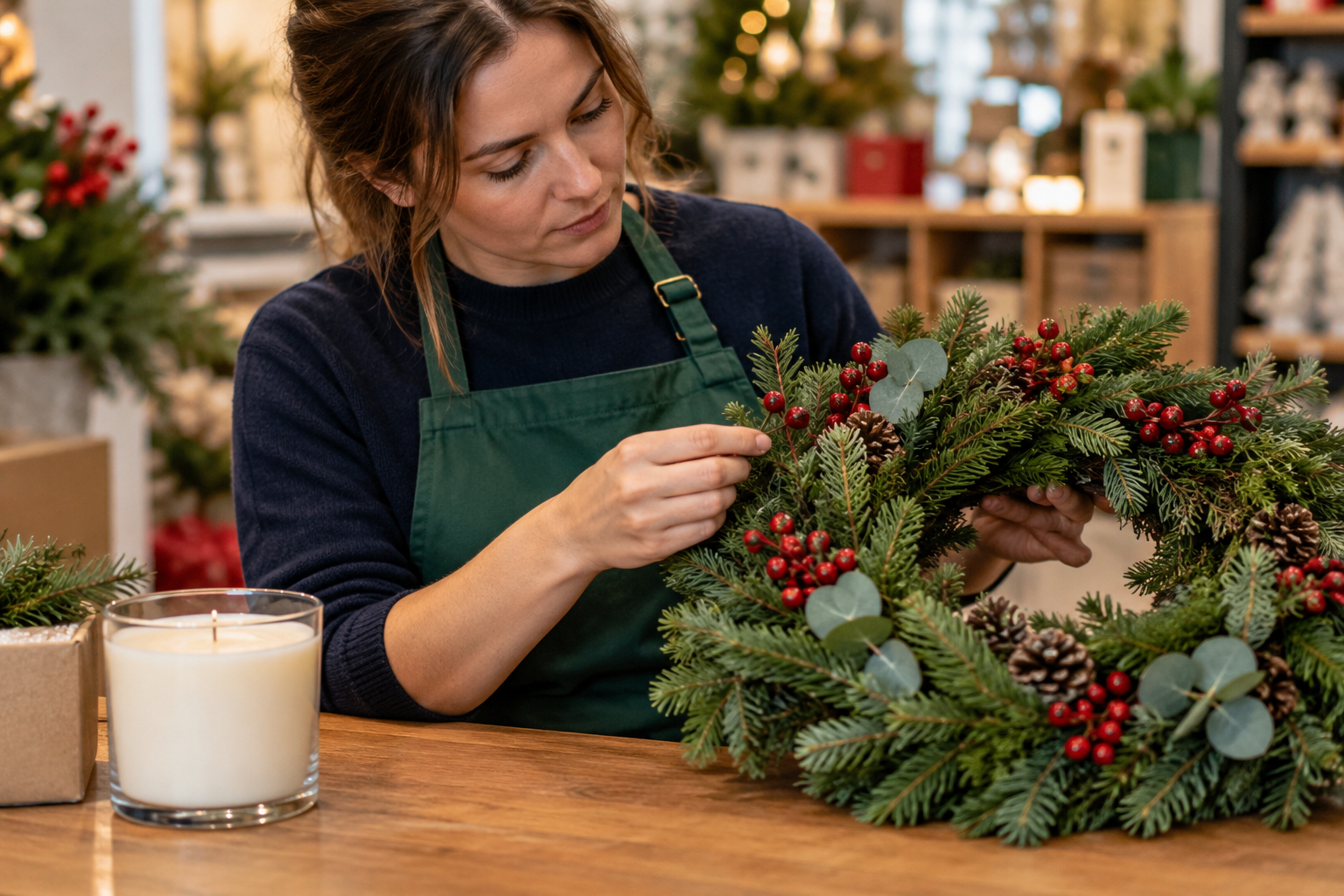
This season's reminder is already here. On 21 October 2026, assorted Christmas wreath candle rings were recalled because they did not comply with Australia's permanent ban on combustible candle holders. The notice identifies risks of burns, death and property damage if the holder catches fire. Official recall.
The ban applies to candle holders and candle decorations that ignite and continue burning for five seconds or more. Materials such as pine cones, fabric, wood, plastic and paper can be combustible. A warning label does not make a banned product acceptable for sale. ACCC ban guidance.
Before it hits the shelf
- Obtain evidence addressing the finished holder or decoration and its intended use.
- Review materials near the flame, not just the base or glass holder.
- Check that product photography and store displays reflect the assessed use.
03 / Christmas lights
They light up. But do they check out?
Switching a light set on is a function check. It is not proof of electrical safety.
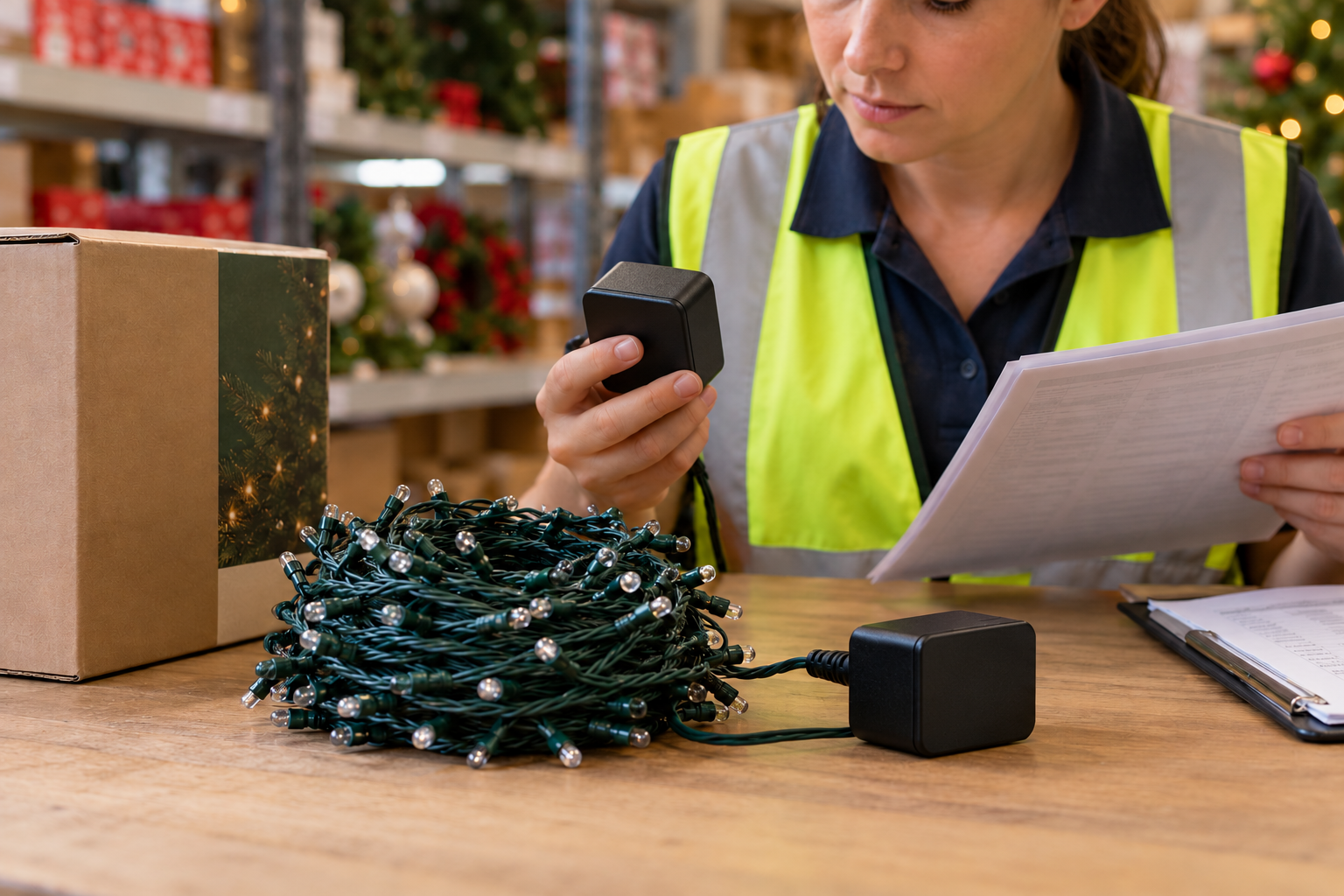
LED net mesh fairy lights sold during December 2022 were recalled in March 2023 for serious and potentially fatal electrical defects. The identified risks included electric shock, electrocution and fire. Official recall.
“Outdoor” also needs careful checking. A light set may be suitable for outdoor use while its transformer must remain indoors. Your packaging, instructions and online description need to communicate the same limits. Electrical Safety Office guidance.
Before it hits the shelf
- Verify the applicable Australian electrical requirements for the exact light set and power supply.
- Match model numbers on approvals and reports to the delivered stock.
- Check indoor/outdoor claims and any limits on the transformer, connections or duration of use.
Small battery-powered lights need attention as well. Wine-bottle fairy lights recalled in November 2024 had not been tested, had accessible button batteries and lacked required warnings. Official recall notice.
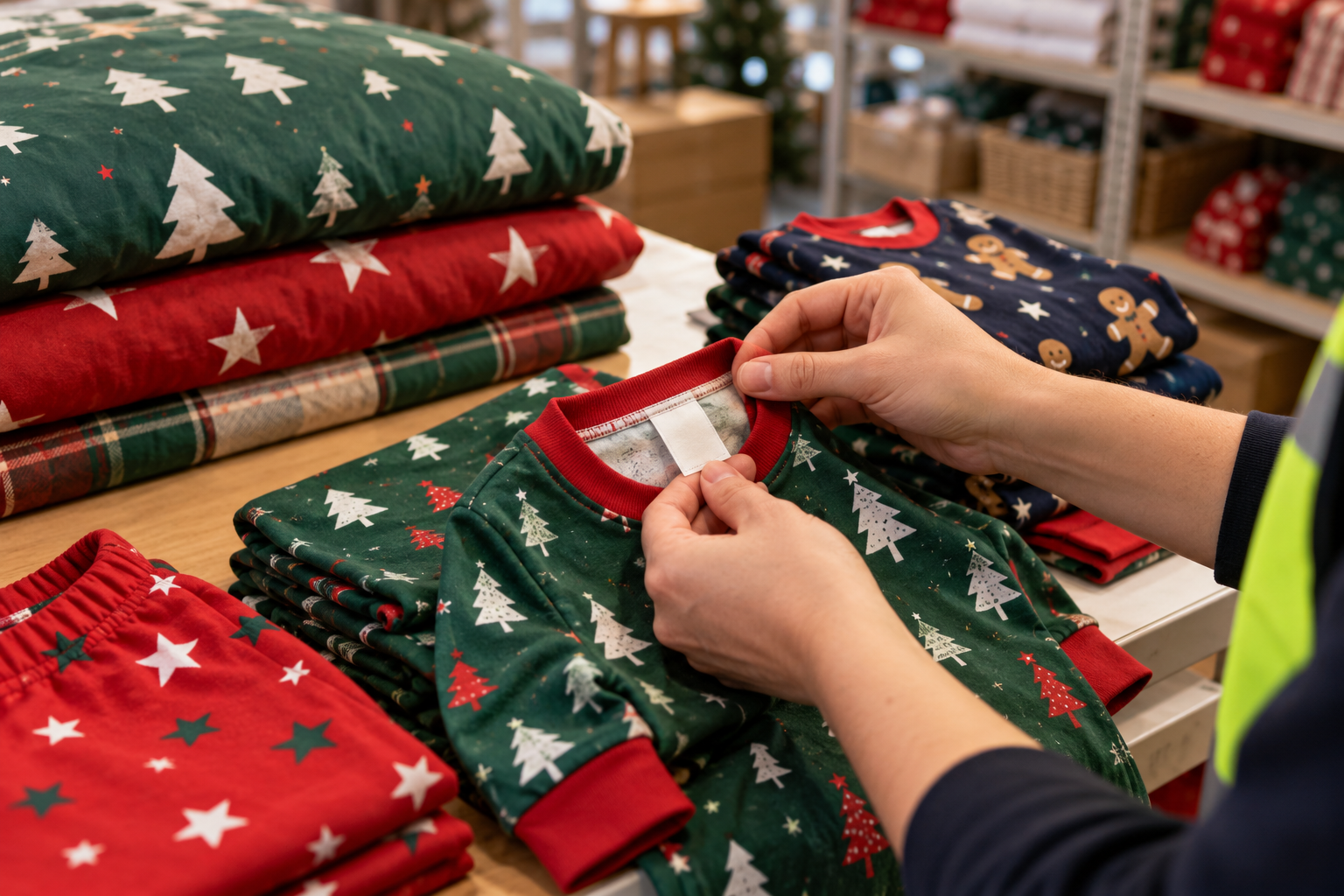
04 / Festive textiles
New print. Same product? Check again.
A seasonal design can involve different materials, finishes or manufacturing processes. Earlier evidence may need another look.
In December 2024, Christmas quilt covers and pillowcases were recalled because they had not cured properly during manufacture and emitted a strong chemical odour that could cause reactions. The updated recall notice reported incidents resulting in serious injury. Official recall.
Christmas pyjama ranges also need the applicable children's nightwear checks. Recalls in 2024 and 2025 identified missing or incomplete fire warnings. Those recalls were not limited to Christmas designs, but the lesson is relevant to festive sleepwear. 2024 recall; 2025 recall.
Before it hits the shelf
- Ask what has changed in the fabric, print, finish or production process.
- Confirm that testing and required labels cover the actual garment or textile.
- Escalate unusual odours, residues and reports of irritation. Appearance or smell alone cannot establish safety.
Two easy-to-miss parts of the range
Last year's cartons. This year's extras.
Check carry-over stock before it comes back out. A flashing Christmas necklace sold in late 2023 was recalled in August 2024 for accessible batteries and missing warnings. A product can become subject to a recall while it is sitting in storage. Reconcile stock identifiers, recall alerts and stop-sale instructions before returning it to sale. Official recall.
Include the products bought outside the usual range review. Light-up accessories sold at a Christmas event in November 2025 were recalled the following month because children could access their batteries. Event merchandise, gifts with purchase and promotional bundles deserve the same attention as shelf stock. Official recall.
Make the final check before the festive rush.
For each product, your team should be able to identify:
- The product: exact model, supplier and relevant variants or batches.
- The requirements: applicable standards, bans and other safety obligations.
- The evidence: relevant testing, approvals and final warnings.
- The decision: who has reviewed the evidence and authorised release.
Hold affected stock where material safety or compliance gaps remain unresolved. The ACCC recommends checking compliance when sourcing products and using laboratories accredited for the relevant testing. Sourcing and testing guidance.
These checks matter during the selling season. In December 2025, Consumer Affairs Victoria reported that more than 110 store inspections had led to retailers removing over 1,000 non-compliant products from sale. More than 80 unsafe items were also seized, including light-up Christmas decorations and lanterns. Regulator inspection results.