
Australia / Product safety / ACCC proceedings
Kmart product safety proceedings
The ACCC’s action over nail glue, watches and Smart Tags highlights product testing, safety warnings and complaint handling obligations for retailers.
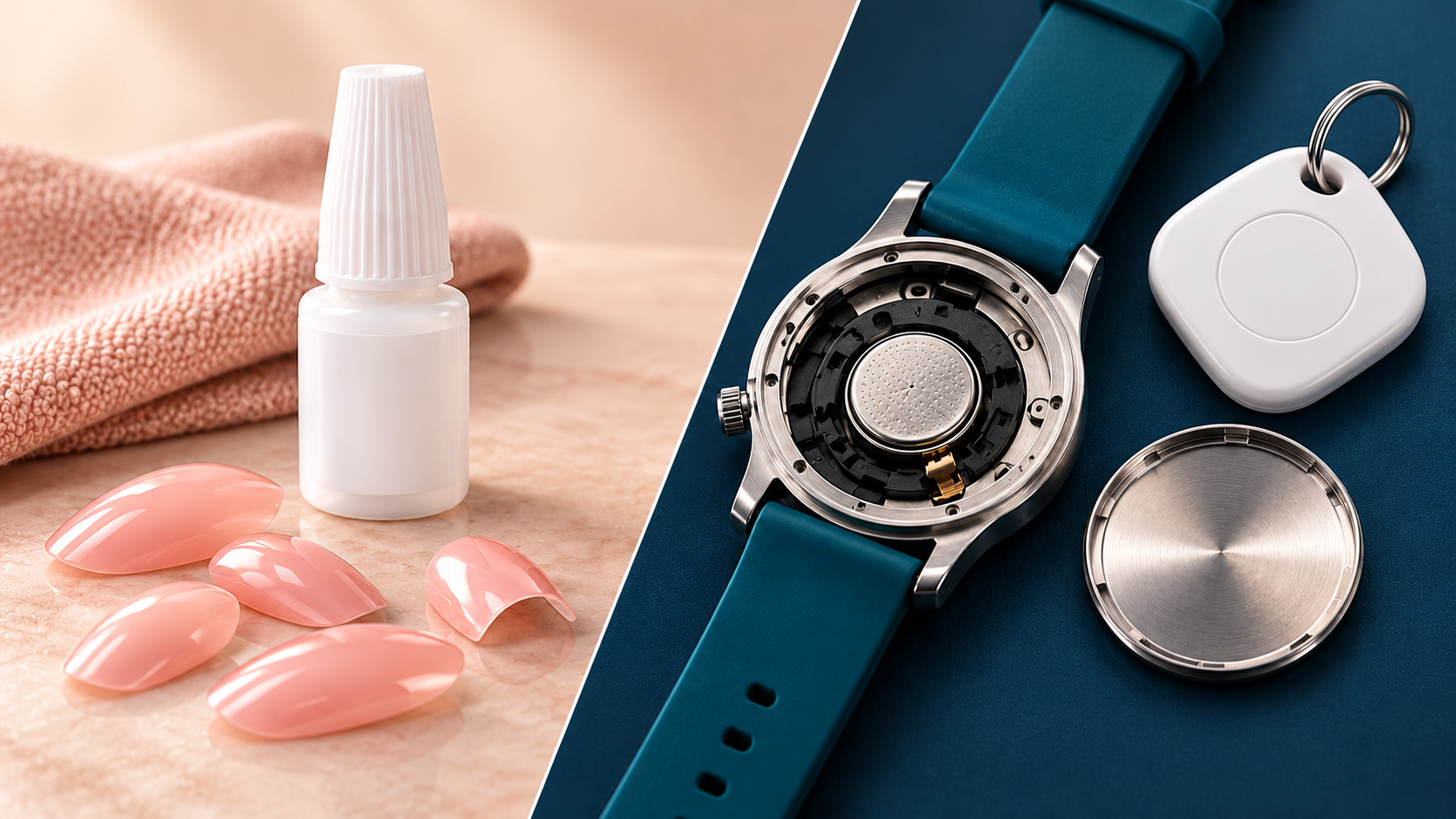
The ACCC has commenced Federal Court proceedings against Kmart Australia Ltd over alleged safety failures involving cosmetic nail glue, button battery powered watches and Smart Tags. The case highlights the importance of product testing, complete safety warnings and a timely response to reports of harm.
The ACCC is seeking penalties, declarations, costs and other orders. The allegations have not been determined by the Court.
Three product groups are involved
Cosmetic nail glue. The ACCC alleges Kmart sold millions of units of cosmetic nail glue without adequately warning consumers about the risk of burns when the glue comes into contact with fabric. The OXX glue was sold separately and with false nails. According to the ACCC, Kmart received reports of burn injuries between August 2017 and December 2024, including injuries requiring hospitalisation and skin grafts. A fabric-contact burn warning was added in December 2024.
Button battery watches. The ACCC alleges Kmart failed to complete required testing before supplying two models of children’s digital watches and seven models of analogue watches. Approximately 64,000 watches were sold between June 2022 and November 2024. The allegation concerns the absence of required testing before supply, rather than a finding that every watch released its battery or caused an injury.
Smart Tags. The ACCC also alleges that more than 800 Anko Smart Tags were supplied without all the information required by the mandatory button battery information standard. Although some warnings were present, the regulator alleges they were incomplete. Kmart recalled the Smart Tags in 2024 following ACCC engagement.
Why the proceedings matter to retailers
Product safety obligations extend across the supply chain, including to retailers and importers. For products within scope, the mandatory button battery standards require secure battery containment, compliance testing before supply and prescribed safety information. The requirements are not limited to toys or products marketed to children, although exclusions and product-specific provisions must be considered.
Supplier assurances and test reports need to relate to the products actually sold. Changes to a model, battery compartment, component or packaging can affect whether earlier evidence remains relevant. Warnings must also be assessed for their required content, placement and legibility.
The nail glue allegations raise a broader issue for cosmetics and beauty products. Safety information needs to address the product’s material risks and foreseeable use. An ingredient list or technical document held by the retailer does not replace appropriate consumer warnings.
Customer complaints can require a wider response
Reports of burns, smoke, accessible batteries or other possible hazards may require action beyond a refund. Clear escalation processes help businesses identify safety concerns, assess affected stock and decide whether further sales should be paused or a recall is needed.
Mandatory reporting and recall notification are separate obligations. A supplier must assess whether a death, serious injury or serious illness associated with its goods triggers the two-day mandatory reporting requirement. Safety-related recalls also carry a separate two-day notification requirement. The legal thresholds and timing rules need to be considered promptly. This article does not allege that Kmart breached incident-reporting requirements.
Practical support for retailers
Watchdog Compliance helps retailers review supplier evidence, packaging and warnings, product approval processes and complaint escalation procedures. We can also support practical staff training and help identify where specialist technical assessment or laboratory testing is needed.
To discuss how these issues affect your business, contact Watchdog Compliance.
This update covers Australia and reflects the ACCC announcement of 15 October 2026. Product-specific assessment remains necessary.
These case details come from the ACCC’s 15 October 2026 media release.