
Australia · Product claims and supplier evidence
Safety claims need evidence: lessons from the Bayswood timber announcement
A broad statement that a product is suitable for a particular use can hide important limits. Check that your evidence supports the exact claim, for the exact product and application.
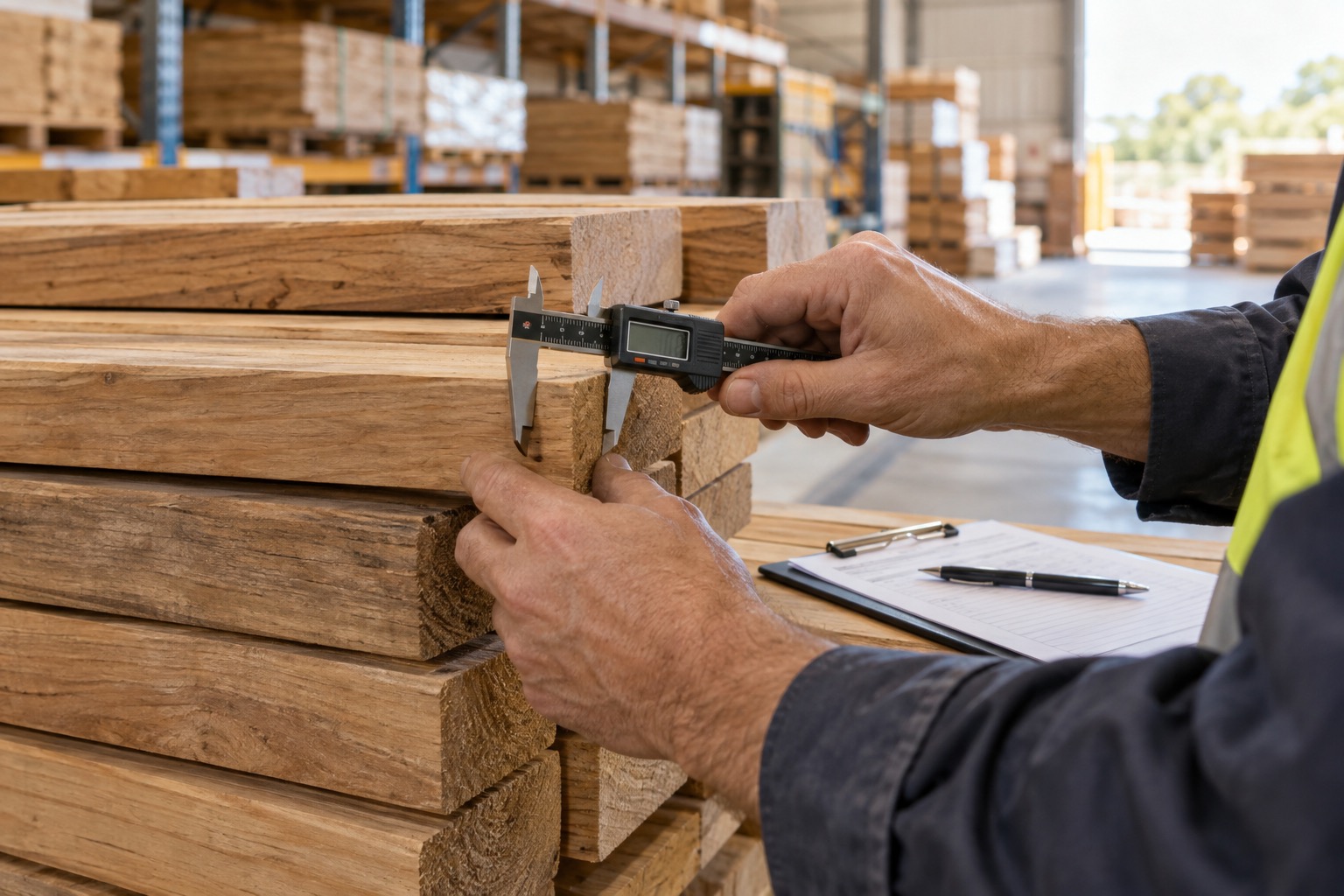
What the ACCC announced on 24 September
Bayswood Timber Wholesalers paid a $19,800 infringement penalty over allegedly false or misleading statements about Meranti timber's suitability for certain building applications in defined bushfire-prone areas.
The ACCC alleged that the timber did not meet minimum density requirements for certain applications associated with the claimed bushfire rating. This was an infringement-notice outcome, not a court finding. Payment of the penalty is not an admission of a contravention of the Australian Consumer Law.
The lesson extends beyond the label
The announcement explains that suitability depends on the building application and applicable requirements. The ACCC also noted that timber of the same species can have different densities depending on where it is grown. A species name or general supplier assurance may therefore leave important questions unanswered.
For suppliers, the practical task is to connect each claim with evidence that matches the goods actually supplied. That connection needs to survive changes to sourcing, specifications and marketing material. This is a reminder about existing obligations concerning accurate claims, not a new product certification scheme.
Build an evidence trail for the claim
- Write the claim precisely. Identify the performance or suitability statement in catalogues, quotations, technical sheets, websites and sales scripts. Record the applications it covers and the limits a customer needs to understand.
- Match the product. Check the supplier, source, specification and batch or model covered by the evidence. Ask whether a change of source, treatment or composition could affect the result.
- Check the scope of the assessment. Confirm which requirements, conditions and intended uses were evaluated. Avoid broadening a qualified finding into an unrestricted suitability statement.
- Align sales and technical teams. Give staff approved wording and a route for questions outside the evidence. Make significant limitations prominent where the claim is made.
- Review changes and concerns. Set triggers for reassessment when suppliers, specifications or claims change. If a material discrepancy emerges, investigate the affected stock and customer communications promptly.
Keep building-specific questions with the right expert
A generic checklist cannot determine whether timber is suitable for an individual building project. Builders and owners concerned about an application should seek appropriate technical advice and contact the relevant state or territory building regulator. The ACCC announcement includes regulator contacts.
How Watchdog can help
Watchdog can help review product claims, supplier-evidence processes and customer-facing material, and support a coordinated response when a claim is challenged.